Skip to content
GGIL

Seventy-five years of colour

About

It started in 1951, making colour. It still does, across more than one plant, and what comes off them now reaches buyers in ten countries.

Founded
1951
Brands
3
Markets
10 countries
Group
3 companies
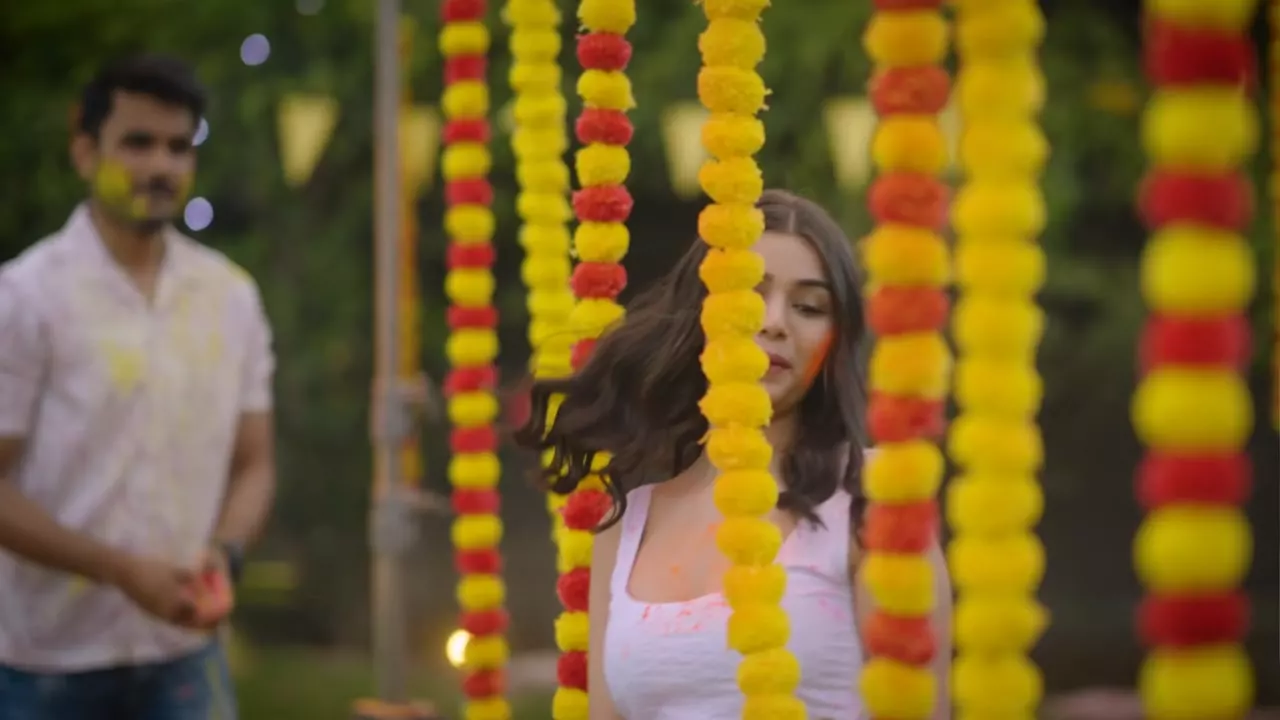
Holi being played under marigold garlands, colour on faces and clothes

Made in India

The festival this company has supplied since 1951.

1951
Manufacturing since
250+
Products in range
1,200+
People employed
10,000+
Dealers & distributors
10+
Export markets

Our story

It begins with a shop at Hathras and a decision to make what it sold. In 1951 Kundan Lal Bhagat ji and his son Gopal Das ji, with the combined family behind them, turned that shop into a small factory grinding compound hing, colour and gulal. Four generations later the family is still doing all three, on the same ground.

Ratan Behari ji built the colour business into the name Indian trade knows: RB Colour, sold under the bird on the pack as Cock Brand, and carried to a dealer network now more than ten thousand strong. Every generation since has arrived with something the one before it did not have — imports bought at source, a second shelf in Delhi, an export book, an application a buyer orders from.

The manufacturing came first and still sets the pace. Colour is made on a corn-starch base with additives, tested at intake, tested again during production, and checked before it leaves. The same plastics capability that makes pichkari for the Indian festival season makes water gadgets and toys for buyers abroad.

Garg Global Innovative Limited is the company that holds that manufacturing today. It runs three brands, and it sells the capacity of the same factory to buyers who arrive with a design of their own.

Seventy-five years

A shop, a factory, and everything that came off it

Five chapters: what the family learned to make, how it learned to pack it, and how it got off the festival calendar.

1951 — 1967

One craft, three trades

A shop at Hathras, and a family that decided to make what it sold.

Kundan Lal Bhagat ji and his son Gopal Das ji, with the combined family behind them, turned a shop dealing in compound hing, colour and gulal into a small factory. Three trades that most people would have kept apart, put under one roof — because grinding, blending, and knowing by eye and by hand when a batch is right, is the same craft whether what comes out of it is asafoetida or gulal.

By 1967 the works had outgrown itself and was rebuilt at scale, and the range widened into new varieties of colour packaging and hing packaging. That is the first appearance of the pattern that explains everything after it: this family has grown as much by changing the pack as by changing what goes in it.
1981

The pack, and where the goods come from

The generation that reworked the packaging and went to the source for the raw material.

Shyam Behari ji and Ratan Behari ji entered with ideas the trade had not seen. Packaging styles were redrawn, materials changed on the back of the best technology then available, and the hing was bought where it grows — imported directly from Afghanistan and other countries rather than taken off the domestic market. Buying at source is a decision about consistency before it is a decision about cost: it is the only way to know what is in every sack.

Ratan Behari ji's initials went on the colour company. RB Colour, sold under the bird on the pack, is the name Indian trade has used ever since: Cock Brand.

2001

A brand, and then a network

Ten thousand dealers, built one town at a time.

Manu Garg took Cock Brand colour and gulal, and Gopal and Baby hing, to a height they had not reached before across the Hathras units — product development and dealer relationships in equal measure. A festival business lives or dies on distribution, because the entire year's demand arrives in a fortnight and the goods have to already be on the shelf when it does.

The network built in those years now runs past ten thousand names, and it is the reason a new product from this company reaches an Indian shop in one season rather than three.

2010 — 2018

Off the festival calendar

A second shelf, then a second market — and the year this stopped being a domestic company.

Shantanu Garg started the Mevabite dry fruit range at the Delhi unit, in pack formats built for a different kind of shop from the one that buys gulal by the sack, and widened hing distribution alongside it. Two businesses sharing a family, a discipline and nothing at all on the shelf.

Kartikey Garg then pointed the trade both ways across the border: dry fruit imported, colour and gulal exported, with quality control in bulk production tightened to match what a foreign buyer's inspection asks for. The group's full range went into a mobile application in the same period — every item the family makes, orderable from a phone.

2021

Drawn as one company

The thing family businesses usually leave undone, done deliberately.

Sagar Ratan Garg joined at twenty-two and put enterprise planning to work on the structure itself: the family's companies restructured as a conglomerate, and responsibility for each part written down rather than understood. Digital marketing and the online platforms followed — the same goods, in the places a buyer now looks first.

Garg Global Innovative Limited is the manufacturing that came out of that. It runs three brands, and it sells the capacity of the same factory to buyers who arrive with a design of their own.

The record

The same seventy-five years, with the dates and the names against them.

1951
The shop at Hathras becomes a factory: compound hing, colour, gulal.Kundan Lal Bhagat ji and Gopal Das ji
1967
Rebuilt at scale. New varieties of colour and hing packaging.
1981
Packaging and materials reworked. Hing imported from Afghanistan and elsewhere. RB Colour — Cock Brand.Shyam Behari ji and Ratan Behari ji
2001
Cock Brand colour and gulal, Gopal and Baby hing, across the Hathras units. The dealer network passes ten thousand.Manu Garg
2010
Mevabite dry fruit starts at the Delhi unit. Hing distribution widens.Shantanu Garg
2018
Dry fruit imported, colour and gulal exported. The range goes into a mobile application.Kartikey Garg
2021
The family firms restructured as a conglomerate. Digital and online.Sagar Ratan Garg
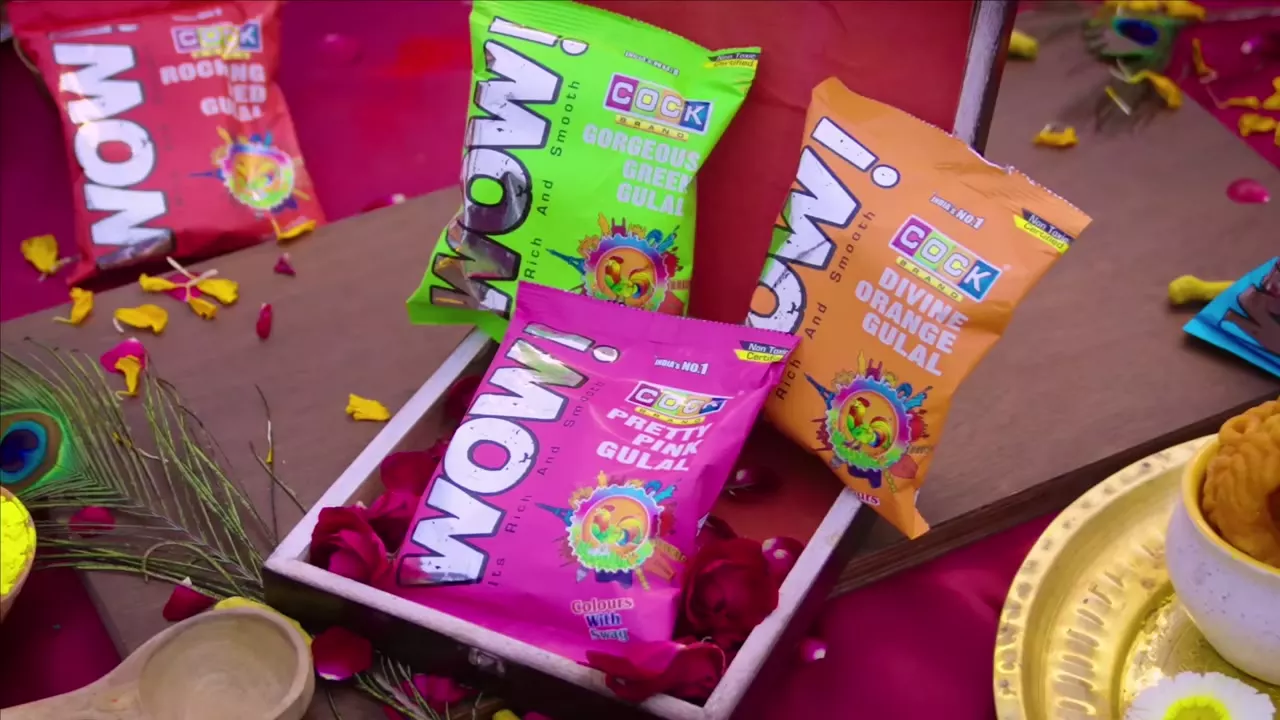
Retail gulal packs laid out with rose petals and a peacock feather
Made for retailPacked for Indian retail and for export, on the same lines.

Part of a larger group

The other two make asafoetida and dry fruit. Same family, same view of what a factory floor should look like, different shelf. The group site is rbcolour.com.

  • Garg Global Innovative Limited

    This company

    Colour, play and toy manufacturing. Cock Colours, Fun Machines and Playnova.

  • Garg Global Spices Private Limited

    Asafoetida — raw hing, granules, powder and oleoresin, from Hathras.

    Visit site
  • K.G. Overseas Private Limited

    Dry fruits, healthy snacks and gifting, under the Mevabite brand.

    Visit site